
Robert Hughes Benson's Lord of the World. Folks, you need to read this book. It matters not that the book was published in 1907, the same year as St. Pius X's Pascendi, five years before the Titanic sank, seven years before Gavrilo Princip shot Archduke Ferdinand, thirty-two years before Hitler invaded Poland. The novel features euthanasia, the loss of religious liberty, anti-Catholicism (because they're two different things), globalization, total war, martyrdom, demagoguery, and the miraculous.
Bradley Birzer, author of illuminating studies of Christopher Dawson and Tolkien, earlier this year posted this brief article at The Imaginative Conservative. I myself was reminded about Benson and this particular novel by this Crux article by John Allen, Jr. Both Benedict XVI and Francis have recommended the book. Benson (1868-1914), whose father had been Archbishop of Canterbury, was a celebrity convert and priest. Once quite popular among English-reading Catholics, his reputation has vanished since the Second Vatican Council.
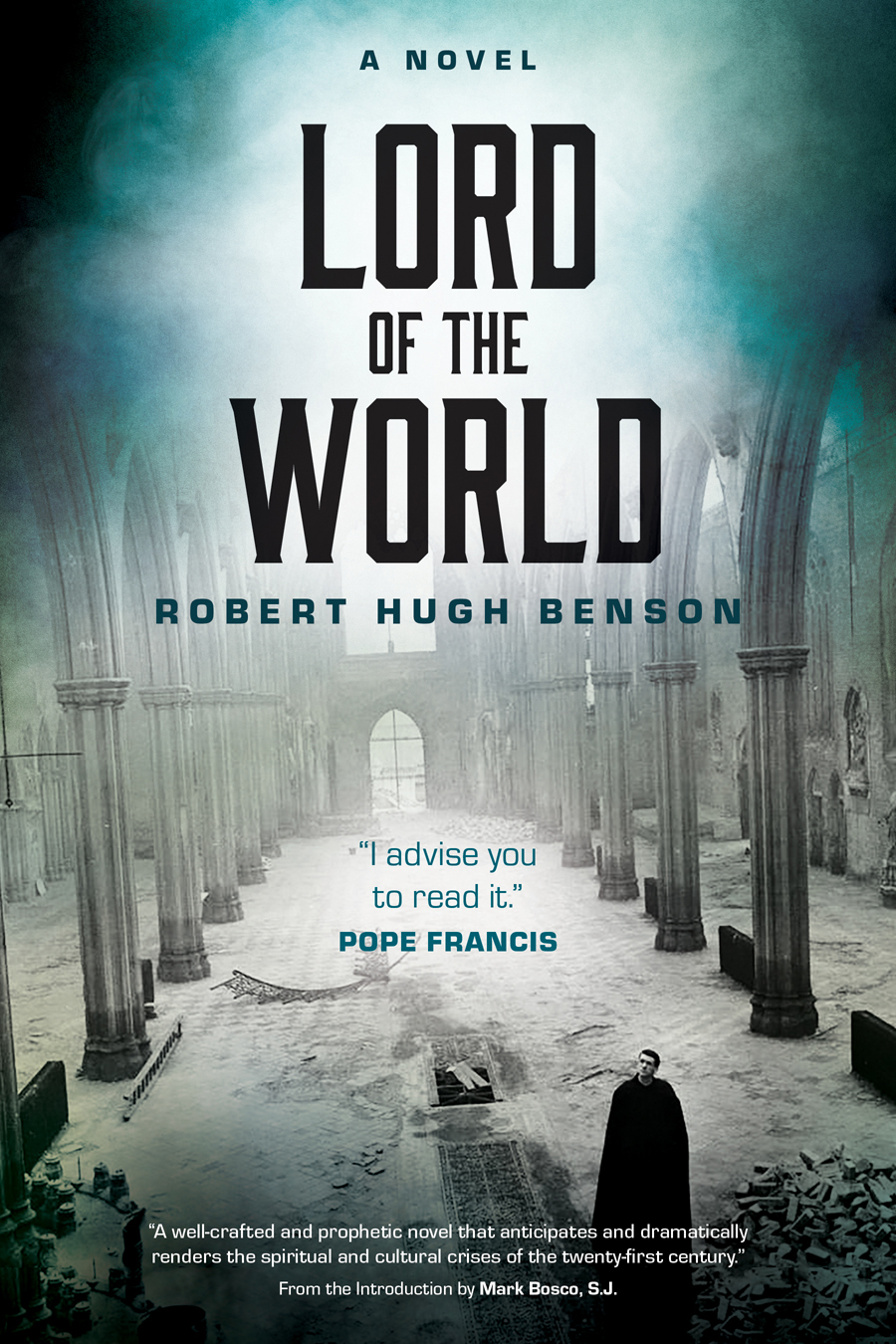
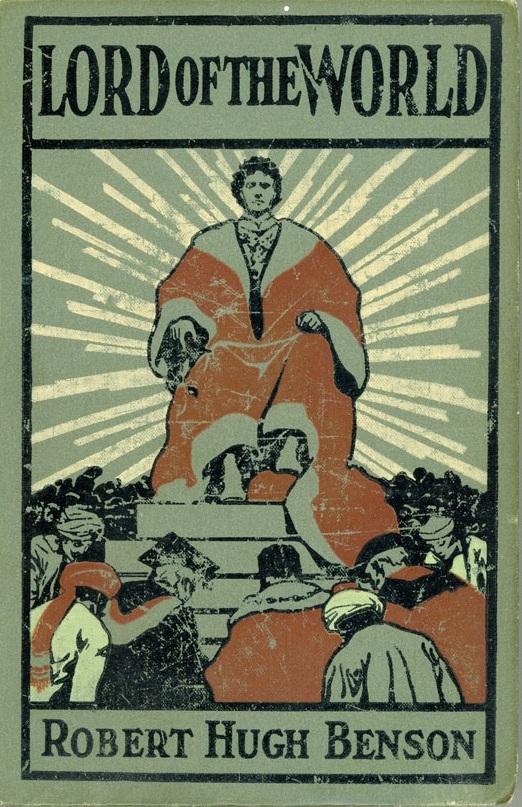
Lord of the World follows the parallel trajectories of Father Percy and his doppelganger, Julian Felsenburgh, a senator from Vermont (no, I am not making that up) who is clearly the anti-Christ. Secularism has pushed all religion to the fringes as the masses chose instead this world's pleasures (euthanasia and what amounts to physician-assisted suicide are readily available). Only Rome the city itself resists as it has, through international treaty, become the sole earthly haven for Catholics. Martyrdom awaits any Catholic who dares declare the Faith openly. Meanwhile a worship of divinized earthly powers spreads like wildfire. Amassing this new awakening, and yet remaining above it all, stands Julian Felsenburgh. Traveling across the world at record speeds, Felsenburgh successfully unites the entire planet, save Rome, under one government. Meanwhile, Father Percy sees his clerical friends lose their faith and the Church lose even what little it retains on earth. The impending victory of Felsenburgh's atheist materialism seems complete. The conclusion, though, must be read all the way to its very last words. No spoilers here.
(Pic credits: Ave Maria Press & Wikipedia)
